
Technology is fundamentally transforming the way we work, making traditional office spaces less essential and enabling greater flexibility. From cloud-based collaboration to artificial intelligence and virtual reality, businesses are rapidly adopting digital solutions that redefine the modern workplace. As remote and hybrid work models become the norm, technology is paving the way for a more efficient, connected, and intelligent working environment.
1. Cloud Computing: Enabling a Borderless Workforce
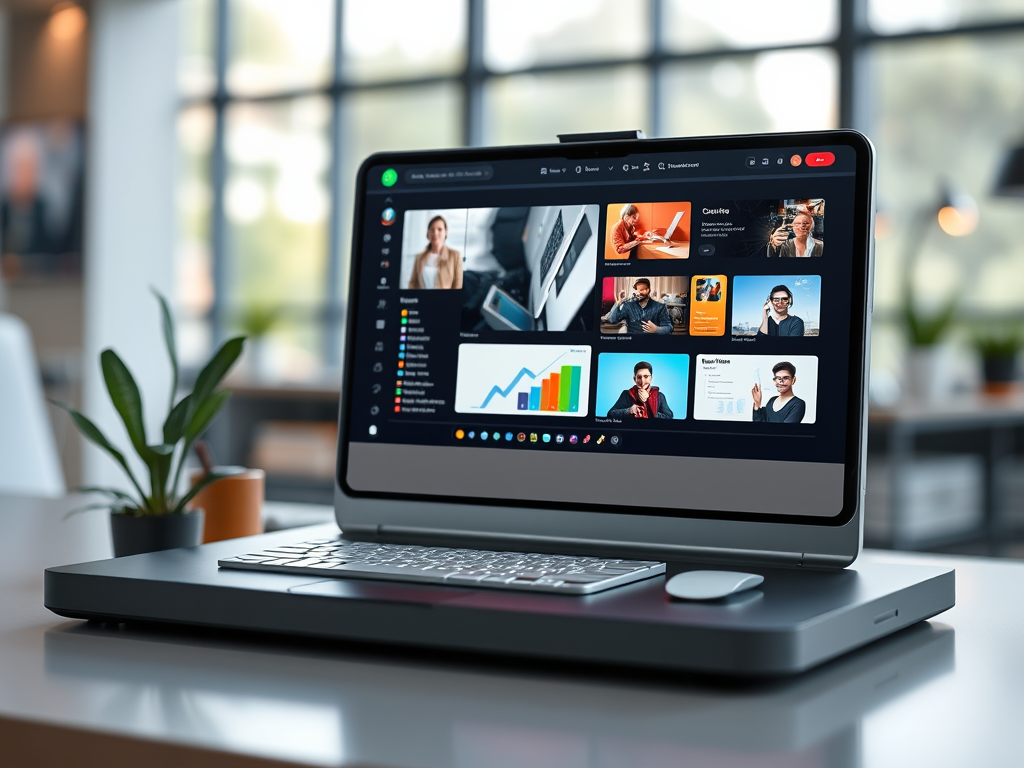
Cloud technology has eliminated the need for physical offices by allowing employees to work from anywhere. Platforms like Google Workspace, Microsoft 365, and Slack offer seamless collaboration, document sharing, and real-time communication. Video conferencing tools such as Zoom and Microsoft Teams have become indispensable, proving that face-to-face meetings are no longer necessary for productivity. This shift is creating a workforce that is no longer tied to a single location, making global collaboration easier than ever.
2. Artificial Intelligence and Automation: Driving Efficiency
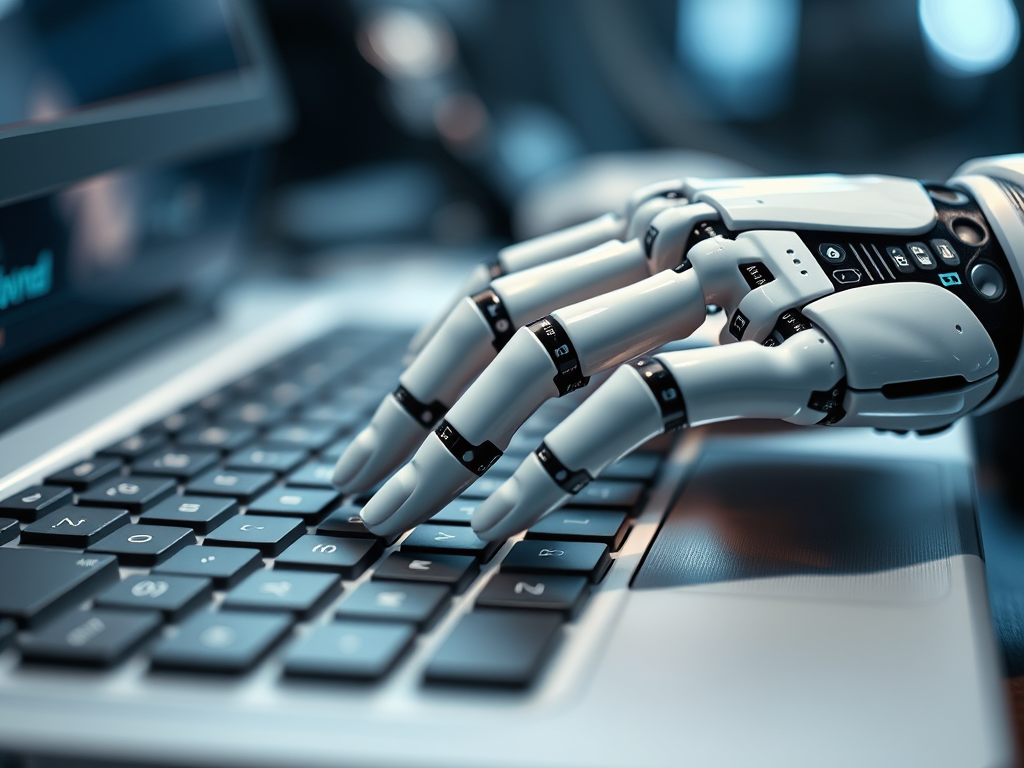
AI is revolutionising the workplace by automating repetitive tasks, improving decision-making, and enhancing productivity. AI-powered tools like chatbots, virtual assistants, and predictive analytics help businesses streamline operations and focus on strategic growth. Companies are also using AI for employee engagement, recruitment, and customer support, reducing human workload while increasing efficiency. As AI continues to evolve, traditional office functions will become even more automated, leading to smarter work environments.
3. Virtual and Augmented Reality: The Rise of Digital Workspaces
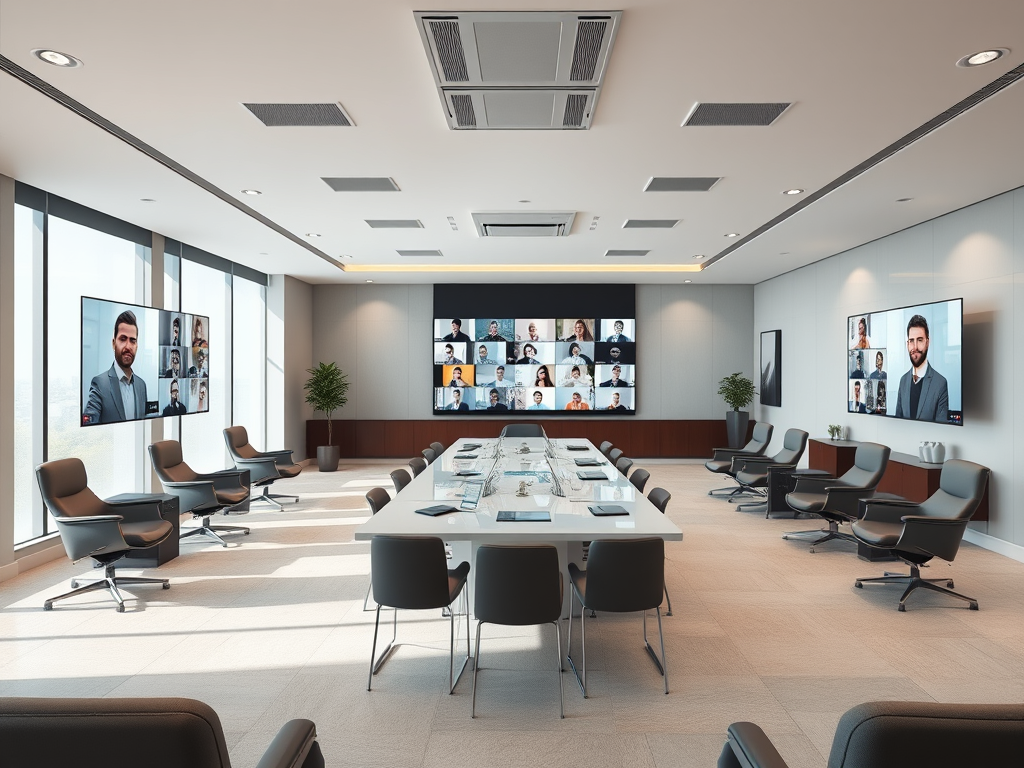
Virtual Reality (VR) and Augmented Reality (AR) are redefining the concept of office spaces. Companies like Meta and Microsoft are developing VR-based meeting rooms and digital collaboration platforms, allowing employees to work in immersive environments from anywhere in the world. AR is being used for training, remote assistance, and product development, proving that physical office spaces are no longer a necessity. These technologies are making remote work more engaging and interactive, bridging the gap between virtual and physical collaboration.
4. Cybersecurity: Safeguarding the Digital Workplace
With remote work becoming the norm, businesses must prioritise cybersecurity. AI-driven threat detection, multi-factor authentication, and end-to-end encryption are now essential for protecting sensitive company data. Companies are also implementing zero-trust security models, ensuring that only authorised personnel have access to critical systems. As cyber threats continue to evolve, businesses must invest in advanced security measures to keep their digital workplaces safe.

5. The Hybrid Work Model: A Smart and Flexible Future
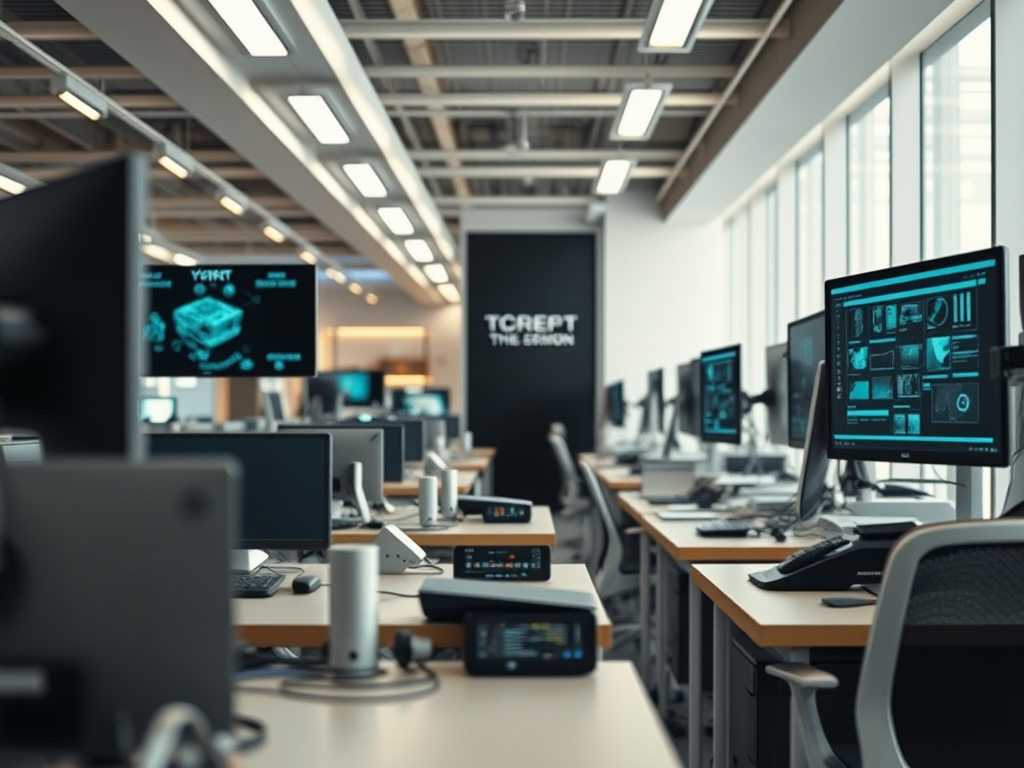
Technology is enabling the rise of hybrid work models, where employees split their time between home and the office. Smart offices, equipped with IoT-powered workstations, AI-driven scheduling, and automated meeting rooms, are making hybrid work more efficient. This approach allows employees to work flexibly while maintaining productivity, proving that the future of work is no longer confined to traditional office environments.
Conclusion: The Digital Revolution is Here
The future of work is digital, decentralised, and driven by technology. Cloud computing, AI, VR, and cybersecurity innovations are reshaping the way businesses operate, making physical office spaces less relevant. As technology continues to evolve, companies that embrace these advancements will thrive, while those that resist may struggle to keep up. The workplace of the future is already here—smart, flexible, and powered by innovation. 🚀

 Lettaga